Ready-to-Print IT Flyer Templates for Modern Tech Services
In the fast-paced world of information technology, the gap between having a brilliant solution and finding a client who needs it is often bridged by a single piece of marketing material. Whether you are pitching managed IT services, launching a new SaaS product, or hosting a cybersecurity webinar, the physical or digital flyer remains a powerhouse for lead generation. However, creating these materials from scratch is a time sink that most developers and tech entrepreneurs cannot afford. This is exactly where a high-quality IT Flyer Design Template becomes an indispensable asset for your workflow.
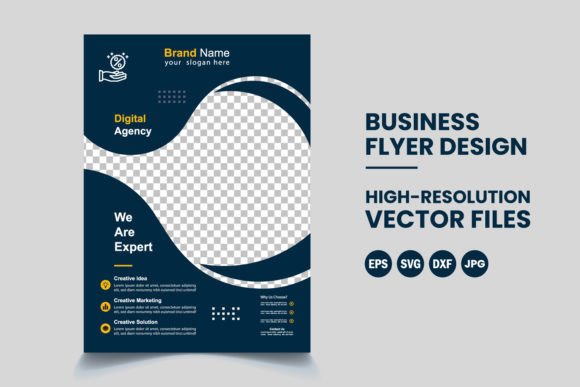
The true value of a professional template lies in its technical foundation. We aren't just talking about a pretty picture; we are talking about a file engineered for production. When you download a resource that specifies 300 DPI print-ready CMYK color mode, you are bypassing the most common headache in print design: file rejection by the printer. Too often, business owners create flyers using web-based tools that output low-resolution RGB files, resulting in muddy colors and pixelated text once printed. A template built on CMYK (Cyan, Magenta, Yellow, Key/Black) ensures that the deep blues and electric greens often associated with the IT sector translate perfectly from screen to paper.
The Technical Edge: Why Vector Assets Matter
For anyone managing design assets, the distinction between raster and vector graphics is critical. The features of this specific template kit highlight a massive advantage for scalability. Because all graphics are 100% vector, you are not limited to a standard A4 or US Letter size. You can take the core elements of this IT Flyer Design Template and scale them up to a tradeshow banner or down to a business card without losing a single pixel of clarity. This flexibility is vital for maintaining a consistent brand identity across different mediums.
Furthermore, the inclusion of editable text, shapes, and color means the file acts as a starting point rather than a finished product. You can match the color palette to your specific corporate hex codes or swap out the stock imagery for photos of your own team. This level of customization ensures that your marketing materials feel authentic to your business, rather than looking like a generic stock layout that your competitors might also be using.
Maximizing Impact Across Digital and Print Channels
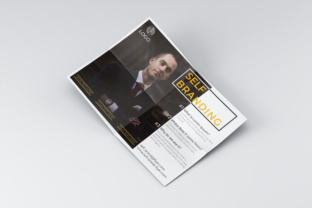
While the template is optimized for print, its utility extends far beyond the physical world. A well-structured flyer layout is essentially a modular design system. Marketers and content creators can easily repurpose these layouts for a variety of channels, ensuring visual consistency whether a client sees you on LinkedIn or receives a brochure in the mail.
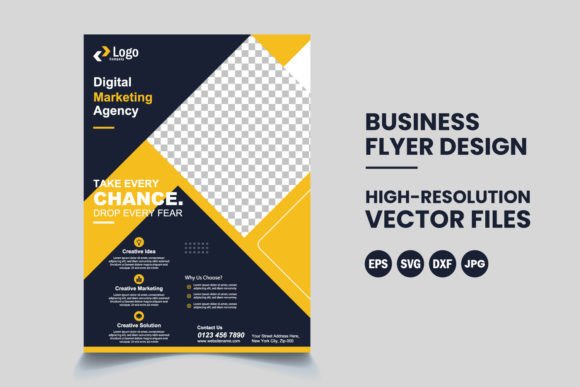
Consider the versatility of the included file formats—EPS, SVG, DXF, and JPG. These formats allow you to pivot quickly between different project goals:
- Social Media Graphics: You can crop specific sections of the flyer design to create square Instagram posts or vertical Stories. The high-resolution source files ensure that even cropped sections remain sharp and professional.
- Web Design Elements: The vector icons and shapes included in the design can be exported as SVGs to be used on your website’s landing pages. This helps bridge the visual gap between your offline marketing and your online presence.
- Email Marketing: By exporting sections as optimized JPGs, you can create header images for email campaigns that announce new IT packages or maintenance schedules.
- Presentation Decks: If you are pitching to investors or clients, the design elements can be imported into PowerPoint or Keynote to create a visually cohesive slide deck that matches your promotional flyer.
Streamlining the Design Workflow for Non-Designers
One of the biggest hurdles for small business owners is the learning curve associated with professional design software. The note that this template uses "Free Fonts" is a significant, often overlooked benefit. Premium fonts can cost upwards of $50 to $100 per family, and licensing them for commercial use can be complicated. By utilizing free fonts, the template creator has ensured that you won't face "missing font" errors when you open the file, nor will you have to purchase additional typography just to edit your own flyer.
The "Well organized – Ready to print" feature is equally important for your sanity. In professional design, layer organization is everything. A cluttered file with hundreds of unnamed layers turns a simple text edit into a 30-minute puzzle. A well-organized file allows you to isolate specific elements—like a pricing table or a service list—make your changes, and move on. This efficiency is crucial for entrepreneurs who need to iterate quickly on their marketing campaigns.
Visual Communication in the Tech Sector
The IT industry has a specific visual language. It often relies on clean lines, geometric shapes, and a sense of order to convey trustworthiness and competence. When choosing a professional IT flyer design template, you are looking for a layout that balances information density with readability. Tech services often require explaining complex concepts—like cloud migration or network security—so the typography and layout need to support clear hierarchy.
Look for how the template handles text blocks. Does it have enough white space? Can you clearly distinguish between the headline, the sub-headers, and the body copy? If you are bundling services or listing technical specifications, the layout needs to accommodate bullet points without looking cluttered. A great template will guide the reader’s eye naturally from your value proposition down to your call to action.
Practical Application: From File to Finished Product
When you sit down to customize this asset, start with the brand basics. Input your logo and set your brand colors. Because the files are vector-based, you can change the color of abstract backgrounds or icon sets with just a few clicks. Next, review the typography. Even with free fonts, ensure the pairing works for your specific brand voice. A sans-serif font usually conveys modernity and tech-savviness, which is perfect for IT services, but ensure it is legible at smaller sizes if you are including detailed disclaimers or technical specs.
Don't be afraid to break the grid slightly to fit your specific content needs. If you have a longer tagline than the placeholder text, adjust the text box size. If you are highlighting a specific promotion, ensure that the visual weight of the flyer shifts toward that offer. The goal of the template is to save you 80% of the design time, allowing you to spend your energy on the 20% that requires your specific business knowledge and creative input.
Ultimately, having a robust library of design assets like this allows you to maintain a professional presence without the overhead of a full-time design department. It empowers you to launch campaigns faster, respond to market trends more agilely, and present your technology services with the polish and authority they deserve. Whether you are printing 500 flyers for a local networking event or preparing a digital brochure for a global webinar, starting with the right foundation makes all the difference.