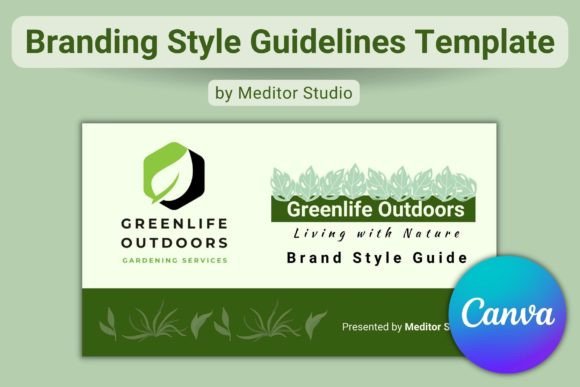
Build a Cohesive Brand: Your Canva Style Guide Template
Every strong brand you admire—the coffee shop with the perfect vibe, the online boutique you follow religiously, the designer whose work is instantly recognizable—shares one common trait: visual consistency. It’s the thread that ties their Instagram grid to their website, their packaging to their business cards, creating a seamless experience that builds trust and recognition. Achieving this level of polish doesn’t require a design degree or a massive budget. It starts with a clear blueprint, and that’s exactly where a dedicated Branding Style Guide Canva Template becomes your most valuable asset.
This isn’t just a collection of pretty pages; it’s a functional, editable system designed to document and direct every visual decision your brand makes. Built directly in Canva, it puts the power of professional brand management into the hands of entrepreneurs, creators, and small teams. The template includes a 19-page customizable guide in a landscape presentation format, accessible with a free Canva account. It’s your central hub for logos, color palettes, typography, imagery, and more, ensuring anyone who touches your brand—from a new hire to a freelance collaborator—can maintain its integrity.
The Anatomy of Visual Consistency
At its core, the template transforms abstract brand ideas into concrete, usable rules. Let’s break down what makes it so effective for real-world application.
Logo Suite & Usage Rules: This section moves beyond just placing your primary logo. It provides space to showcase all variations—full color, single color, monochrome, and icon-only—alongside clear "do's and don'ts." You can specify minimum size requirements, safe zones, and incorrect color applications. This is crucial for logo design integrity across different scales and backgrounds, preventing the common mishaps of stretching or miscoloring your mark.
Color Palette with Purpose: More than just swatches, this part of the guide helps you define the role of each color. Designate your primary, secondary, and accent hues, and explain their intended use. For example, your bold accent color might be for call-to-action buttons only, while your primary palette forms the base of all social media graphics and web design. This prevents visual clutter and ensures colors work together to guide the viewer’s eye.
Typography as Your Brand’s Voice: This is where personality is typed out. The template encourages you to select a primary display font for headlines and a highly legible sans serif font or serif font for body text. You can explore complementary pairings—a modern sans serif with a classic serif, or a bold display with a simple utility font. By documenting specific fonts, sizes, and line heights, you ensure readability and a consistent tone across your blog, packaging design, and marketing assets.
From Template to Tangible Assets
The true power of a style guide is measured by its output. Here’s how this Canva template directly fuels your creative projects.
For packaging design, the guide ensures your product labels, boxes, and tissue paper all sing the same song. Imagine unboxing an item where the thank-you card, the product tag, and the shipping box all share the same fonts, colors, and pattern. That’s a memorable brand experience. Similarly, for editorial design like lookbooks or catalogs, the guide provides the typographic hierarchy and spacing rules needed to create layouts that are both beautiful and easy to read.
When it comes to digital presence, consistency is non-negotiable. Use the defined color palette and font styles to build your website, create cohesive social media graphics for Instagram Stories or Pinterest pins, and design email headers. The template even includes space to document your brand’s patterns, textures, and imagery style—essential for creating a recognizable aesthetic on platforms like Instagram or in digital products like e-books and worksheets.
Think about merchandise and invitations. Whether you’re designing a line of mugs and t-shirts or crafting wedding stationery, having a pre-defined set of brand elements to pull from streamlines the process. It ensures that the playful script font used on a save-the-date card feels connected to the elegant serif on the wedding program, creating a unified suite that feels professionally curated.
Practical Tips for a Living Document
A style guide shouldn’t be a static PDF that gathers digital dust. Here’s how to make yours work for you.
- Start with Strategy, Not Aesthetics: Before you tweak a single color swatch, ask: Who is my audience? What feeling should my brand evoke? A playful handwritten font suits a children’s boutique, while a clean, geometric modern typography style fits a tech startup. Let your brand’s personality guide your font and color choices.
- Test Your Pairings Ruthlessly: Don’t just admire your chosen font pairing in the template. Apply it to a mock-up of your website hero section, a sample social media post, and a business card layout. Check the readability of body text at small sizes and ensure your headline font has impact without overwhelming.
- Embrace the "Why" Behind Rules: Use the template’s notes sections to explain why certain rules exist. For instance, note that the accent color is reserved for buttons to increase conversion, or that a specific script font is only for short accents because it’s harder to read in long paragraphs. This turns your guide from a rulebook into a teaching tool.
- Consider Commercial Licensing: This template is built for creative and commercial projects. It’s vital to ensure that any premium font or graphic asset you integrate into your final guide carries the proper license for your intended use—whether for client work, merchandise for sale, or your own business materials. Always verify the licensing terms.
Ultimately, a Branding Style Guide Canva Template is about empowerment. It removes the guesswork and the "does this look right?" anxiety from every design decision. By investing a little time upfront to customize this framework, you create a living document that saves hours of work, elevates your professional presentation, and builds the kind of brand recognition that turns casual viewers into loyal customers. It’s the foundation upon which every other design asset is built, ensuring your brand speaks with one clear, confident, and consistent voice.