Acacia Auriformis: A Font for Modern Visual Storytelling
There’s a certain quality in a typeface that can make a design feel instantly cohesive and intentional. It’s that subtle alignment between the letters on the page and the story you’re trying to tell. For creators juggling multiple projects—from a client’s brand identity to their own social media feed—finding a font family that offers both character and versatility is a practical game-changer. Acacia Auriformis presents itself as one such solution, designed to bridge the gap between distinctive personality and functional clarity across a multitude of applications.
Understanding Its Visual Character
At its core, Acacia Auriformis is a contemporary serif typeface. It draws from classic typographic principles but refines them with a modern sensibility. The letterforms feature a balanced contrast between thick and thin strokes, giving it an elegant yet approachable feel. The serifs—the small details at the ends of letter strokes—are clean and defined, providing structure without feeling overly traditional or stuffy. This careful balance is what makes it a compelling choice for projects that need to convey both professionalism and creativity.
What sets it apart in a crowded market of premium fonts is its nuanced personality. It doesn’t scream for attention with extreme quirks. Instead, it commands respect through refined details: slightly condensed proportions that save space while maintaining readability, and a generous x-height that ensures clarity even at smaller sizes. These characteristics make it a robust workhorse, equally suited for a commanding headline on a poster as it is for setting body text in a detailed brochure.
Practical Applications Across Your Projects
The true test of any design asset is how seamlessly it integrates into your workflow. Acacia Auriformis shines in this regard, offering a toolkit for visual consistency. For brand identity projects, it provides a stable foundation. Imagine using its regular weight for business cards and letterheads, while employing the bold or italic variants for impactful logo lockups and website headers. This creates a unified typographic language that strengthens brand recognition from the first point of contact.
In packaging design, where shelf appeal is paramount, its elegant serif style can elevate a product. It suggests quality and craftsmanship, making it suitable for artisanal foods, cosmetics, or boutique goods. For editorial layouts—think magazines, lookbooks, or annual reports—it offers the hierarchy needed to guide a reader’s eye smoothly through complex information. Paired with a clean sans-serif for captions or pull quotes, it establishes a sophisticated visual rhythm.
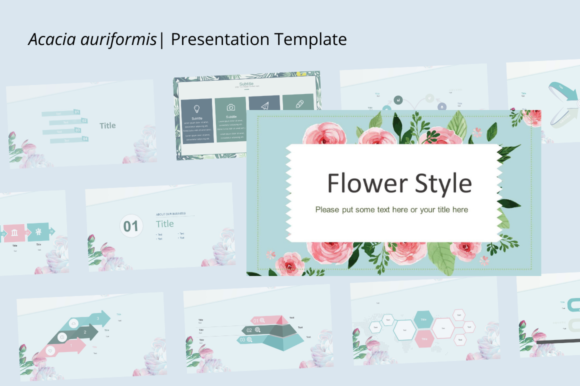
Digital creators will find it just as useful. For social media graphics, its readability on screens helps your message cut through the noise. Use it for quote graphics, promotional announcements, or Instagram story text to maintain a polished aesthetic. On websites and blogs, it can be a powerful tool for headlines and key statements, adding a layer of professionalism that generic system fonts often lack. The included presentation template by Jowo Creative Project further demonstrates its applied potential, showcasing how the font can structure a company profile or school project with clarity and visual appeal, complete with customizable charts and shapes.
Enhancing Communication and Engagement
Good typography does more than look pretty; it facilitates communication. The inherent readability of Acacia Auriformis directly contributes to audience engagement. When text is easy to parse, readers are more likely to stay with your content. This is crucial for marketing assets like email newsletters or landing pages, where you have mere seconds to convey value. Its professional presentation also builds subconscious trust with your audience, whether you’re a creative agency pitching to a new client or a small business owner launching a new product line.
For those building a visual consistency guide, having a font family with multiple weights and styles is invaluable. It allows you to create clear typographic hierarchies—using the bold for main headings, semibold for subheads, and regular for body text—without introducing a chaotic mix of unrelated typefaces. This systematic approach saves time during the design process and results in a more cohesive final product, whether it’s a set of digital products or a suite of print materials.
Making It Work: Practical Typographic Advice
Before integrating any new typeface, consider your project’s goals. Is the tone formal or casual? Is the primary medium print or digital? Acacia Auriformis leans professional and refined, making it ideal for corporate communications, luxury branding, and detailed editorial work. If your project demands extreme informality or a handwritten vibe, you might explore pairing it with a script font for specific accents rather than using it as the sole typeface.
Font pairing is where the magic often happens. Its structured serif form pairs beautifully with a wide range of sans-serif fonts. For a clean, modern look, try it with a geometric sans for body text. For a more classic feel, a humanist sans would complement it well. Experiment with combinations in your design software to see what resonates with your project’s voice. Always test pairings for readability, especially at the sizes they’ll be used in final output—what looks good on a large poster might not work for small caption text.
Finally, always review the font files and documentation provided. A comprehensive family will often include stylistic alternates, ligatures, or extended character sets for multiple languages. Understanding these features allows you to fully leverage the font’s capabilities. Also, be mindful of commercial licensing if you’re using it for client work or merchandise. Ensure the license covers your intended use to avoid legal complications down the line.
Choosing a typeface like Acacia Auriformis is ultimately about equipping yourself with a reliable tool. It’s the kind of asset that, once understood and applied thoughtfully, can elevate the professionalism of your work and help articulate your visual message with greater precision and elegance. It supports the creative process by providing a solid foundation, allowing you to focus more on your ideas and less on typographic guesswork.